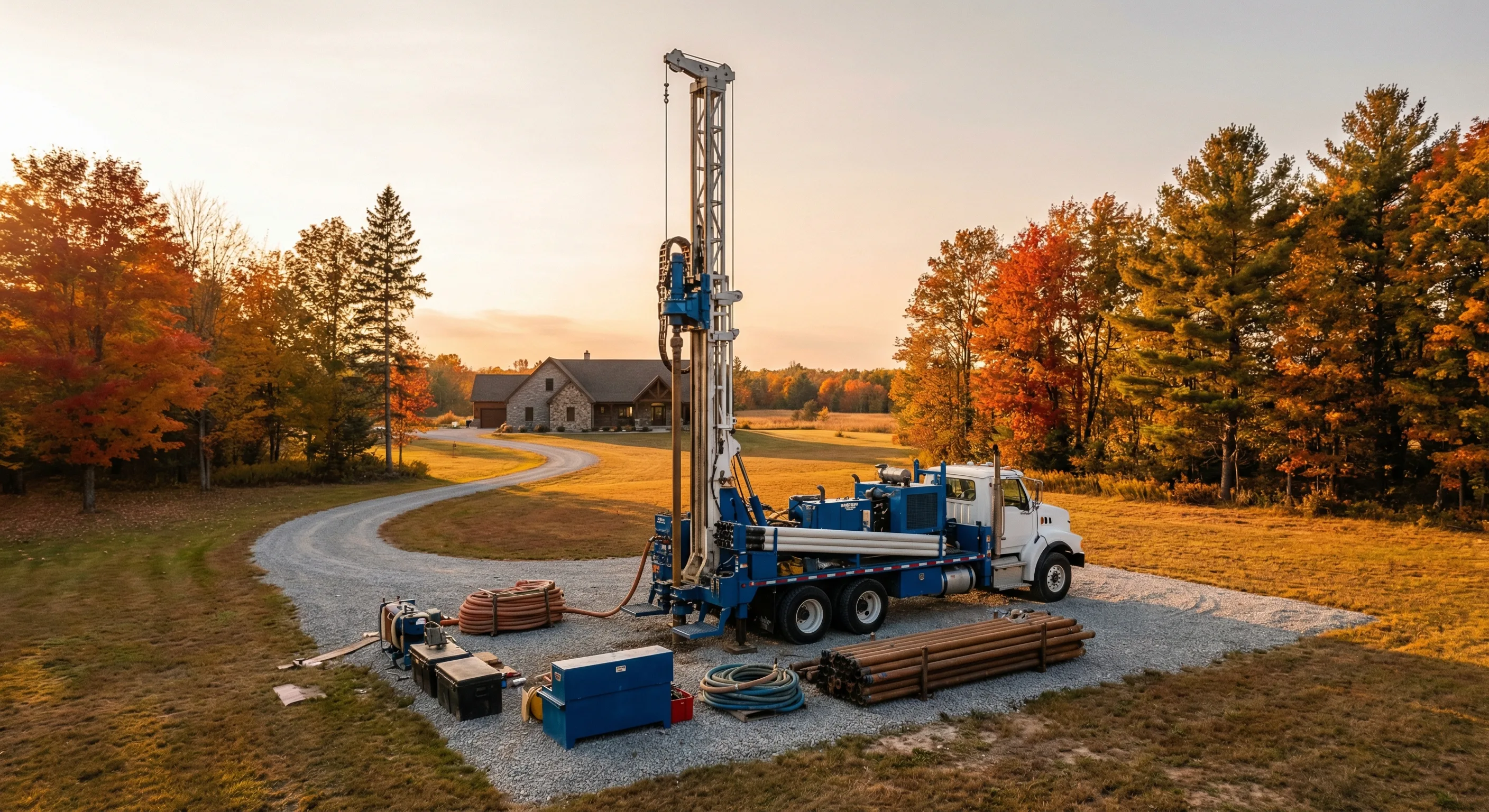
Well Drilling & Water Services in The Blue Mountains
Trusted well drilling, pump repair & water treatment in The Blue Mountains. Serving Thornbury, Clarksburg, Craigleith and surrounding areas.
The Blue Mountains is one of Ontario's most desirable communities, stretching from the shores of Georgian Bay up the slopes of the Niagara Escarpment. Mighton's Well Services provides comprehensive well drilling, pump service, and water treatment throughout the municipality, from the villages of Thornbury and Clarksburg to rural communities like Heathcote, Ravenna, and Kolapore. The dramatic elevation changes across The Blue Mountains create widely varying well conditions — properties near the escarpment face shallow, fractured bedrock while those in the lowlands encounter thicker glacial deposits. The area's popularity as a four-season recreation destination means many properties serve as weekend retreats, requiring well systems that perform reliably despite intermittent use. New construction in developments like Castle Glen and Craigleith has increased demand for professional well drilling services from contractors who understand the challenging terrain. Our crews have extensive experience navigating the rocky conditions near the escarpment, where conventional drilling methods must be adapted for hard limestone and dolostone. We also serve established homes in Thornbury and Clarksburg that may need pump replacements, upgraded water treatment, or modernized well systems. From the orchards of the Beaver Valley to the ski chalets above Craigleith, Mighton's brings over 60 years of expertise to every well project in The Blue Mountains.
Well Conditions in The Blue Mountains
The Blue Mountains straddles the Niagara Escarpment, one of Ontario's most significant geological features. The escarpment face exposes Paleozoic limestone and dolostone bedrock, and properties at higher elevations often encounter this rock at or very near the surface. Drilling into the escarpment bedrock requires rotary or hammer techniques capable of penetrating hard, fractured rock. The fractured zones within the limestone and dolostone serve as the primary aquifers, and well yield depends heavily on intercepting productive fracture networks. Below the escarpment in the Thornbury and Clarksburg lowlands, thicker glacial deposits overlie the bedrock, and some wells tap overburden aquifers in sand and gravel layers. Water quality in bedrock wells is generally good but tends toward hardness, and some areas near the escarpment edge produce sulphur odours from hydrogen sulphide gas in the groundwater.
Common Well Challenges Here
- Shallow fractured bedrock near the escarpment making drilling technically demanding
- Variable well yield due to dependence on fracture networks in limestone
- Hydrogen sulphide (sulphur odour) in some bedrock wells near the escarpment
- Intermittent use of recreational properties causing stale water and bacterial growth
Services Available in The Blue Mountains
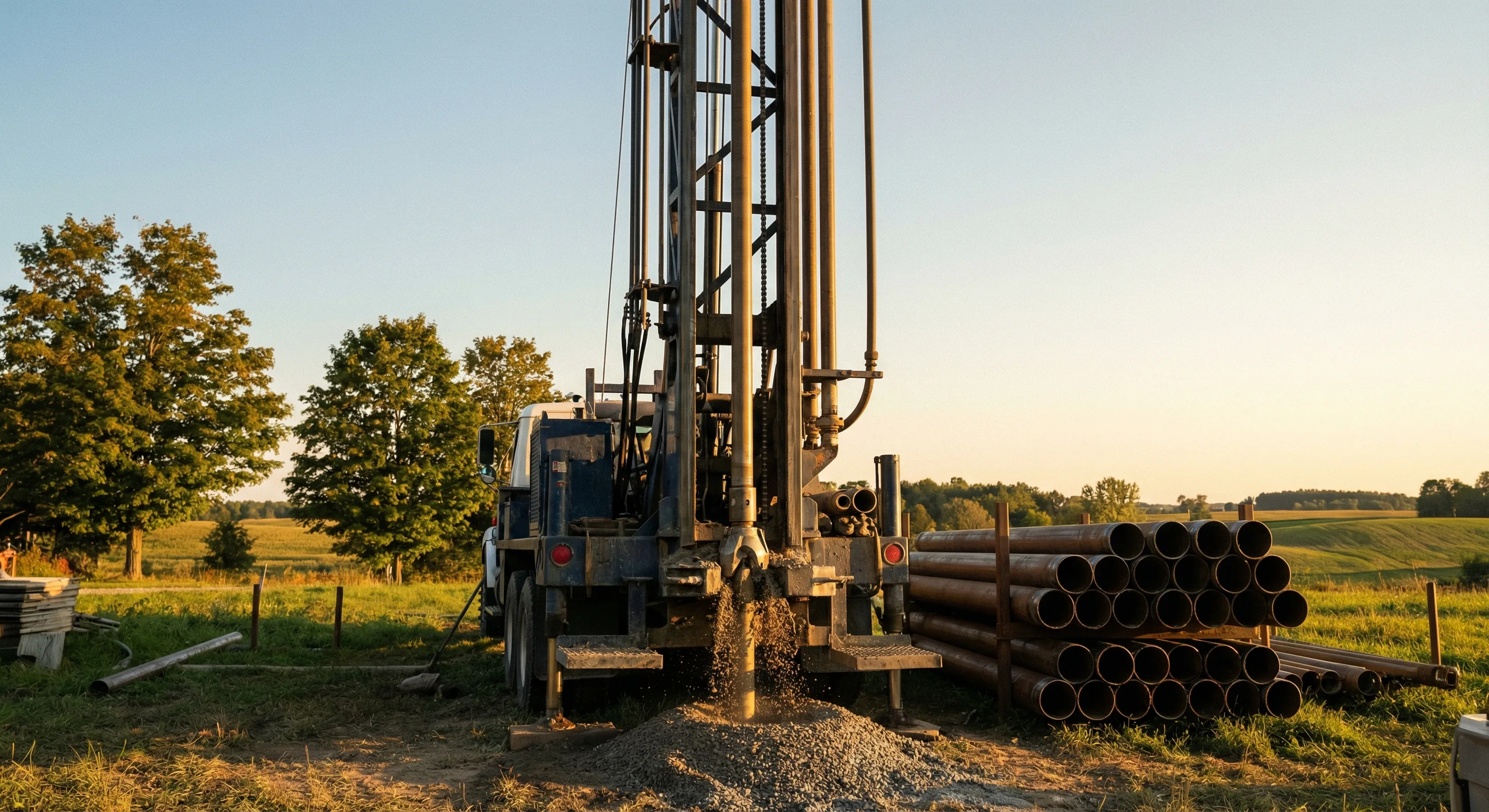
Well Drilling
Clean, reliable water starts with a properly drilled well.
Learn More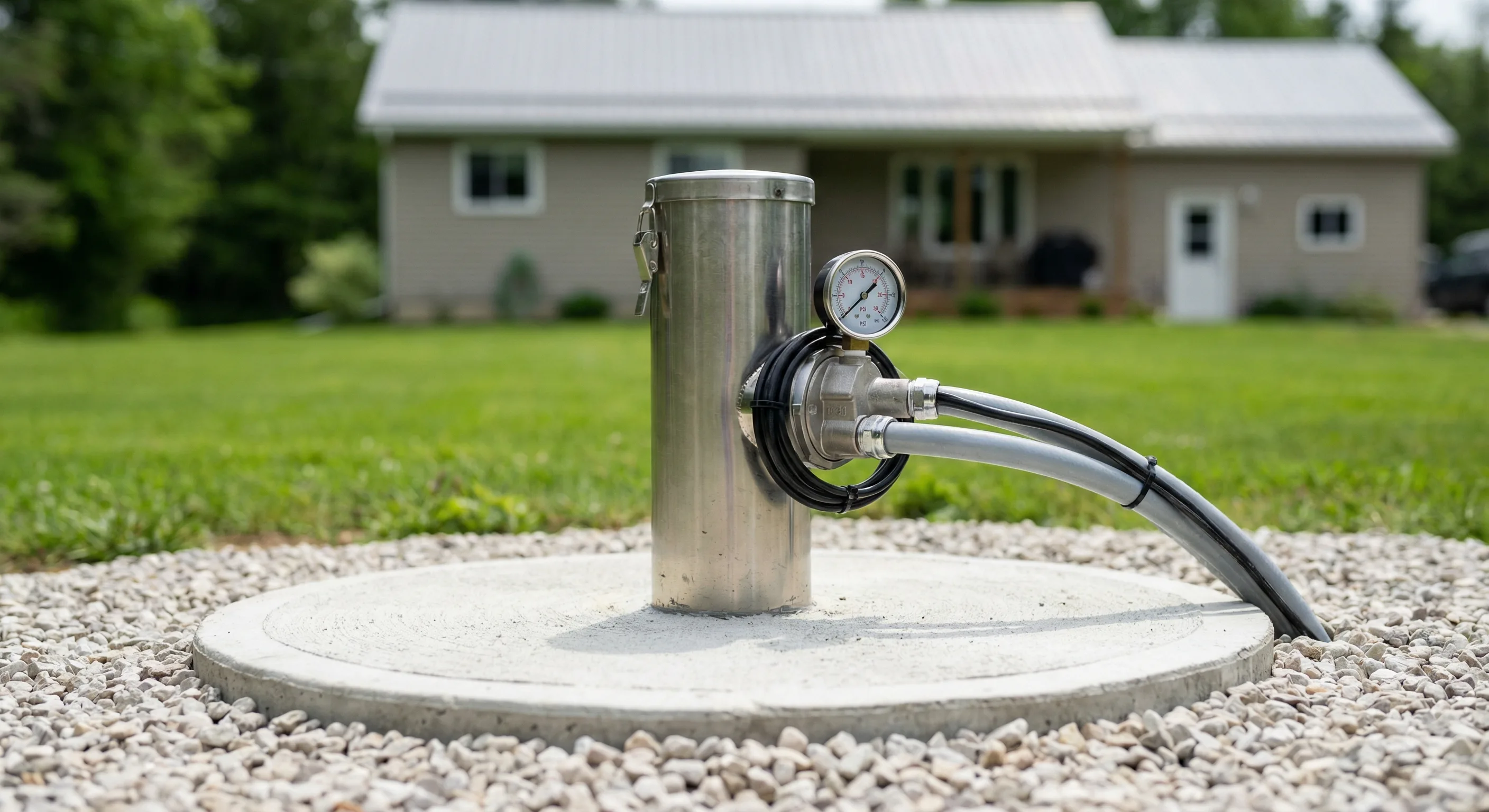
Well Installation
Proper well completion protects your water for decades.
Learn More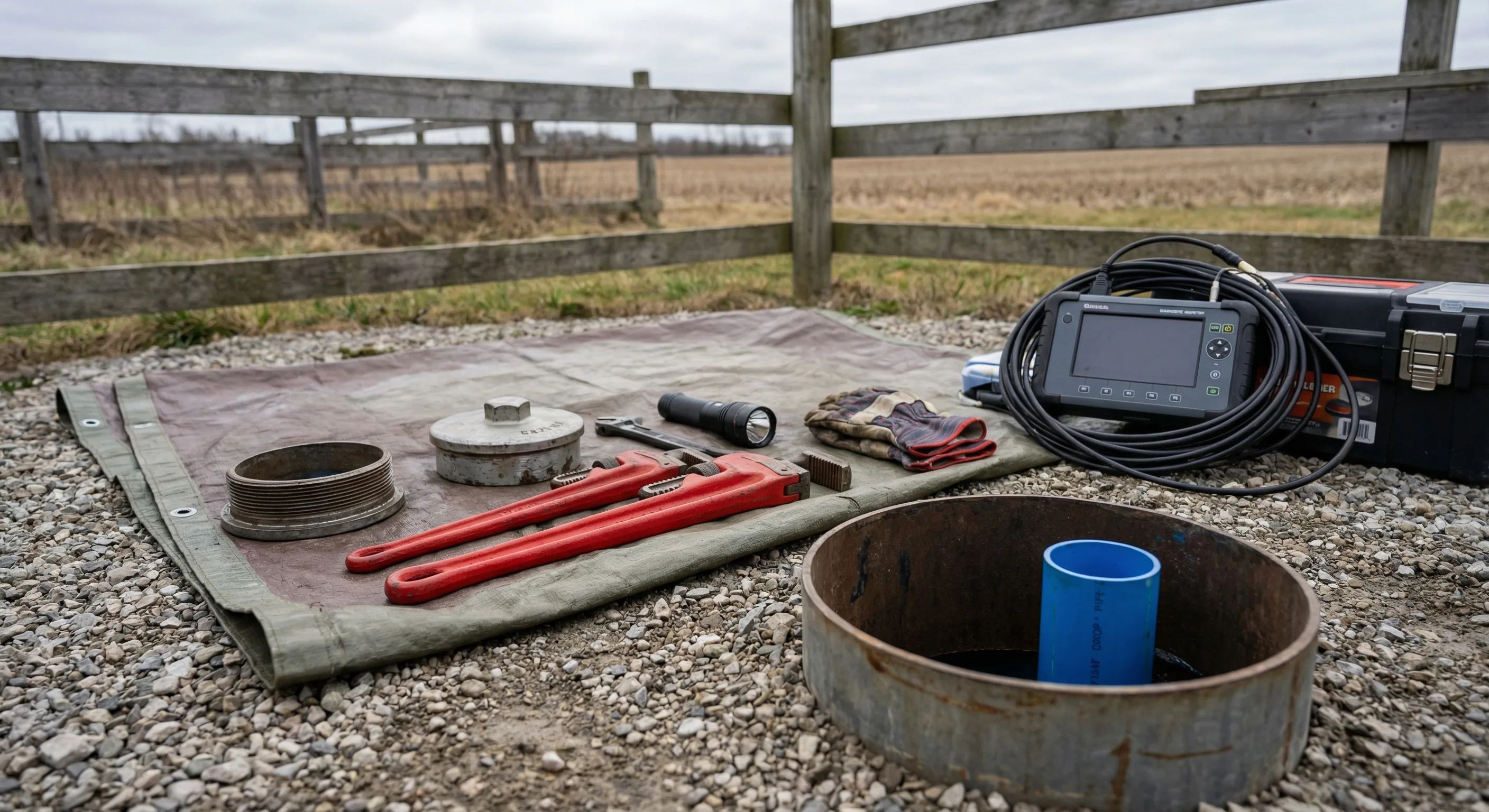
Well Maintenance
Extend the life of your well with expert maintenance.
Learn More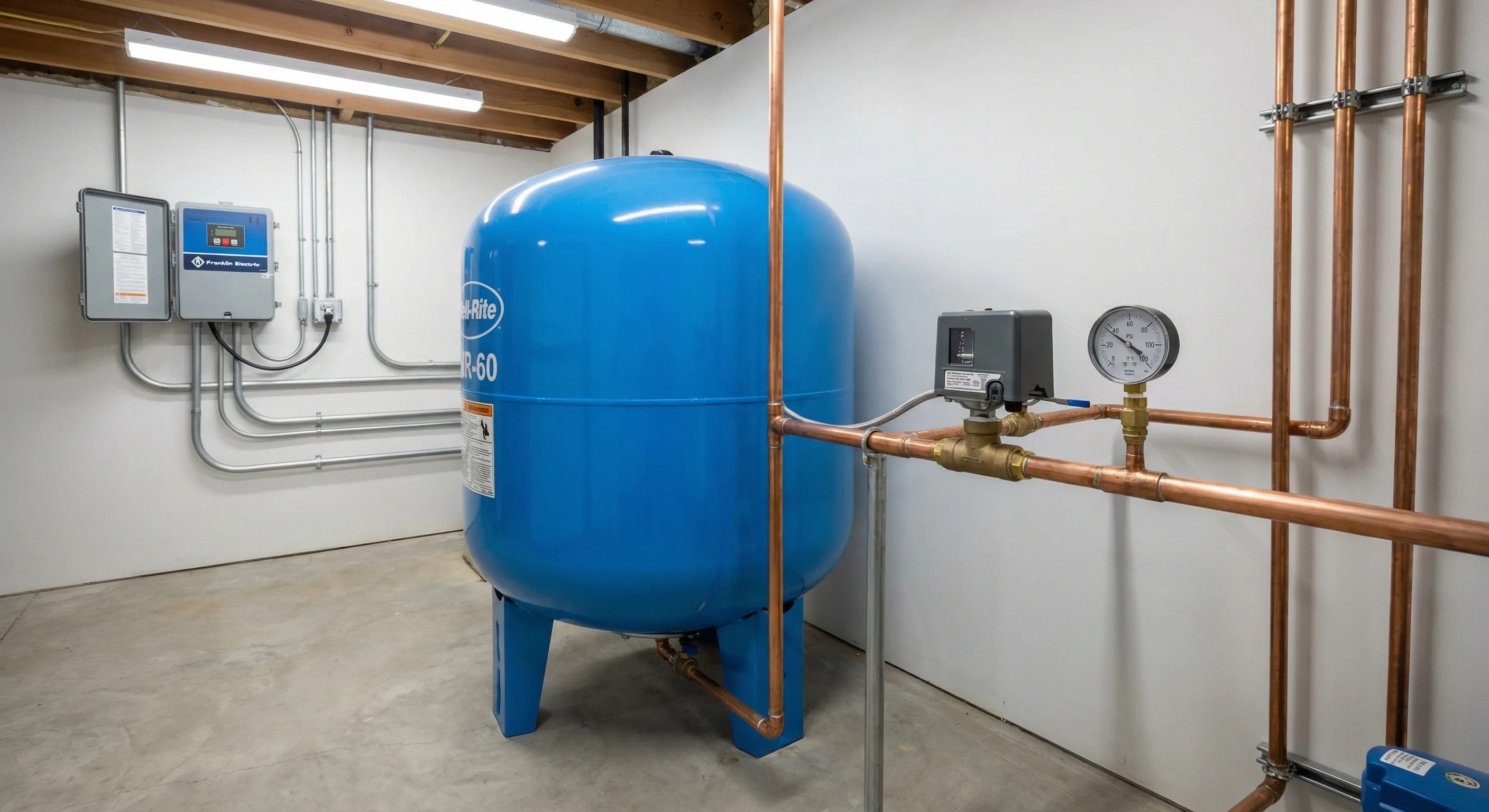
Pump Systems
Consistent water pressure from the right pump for your well.
Learn More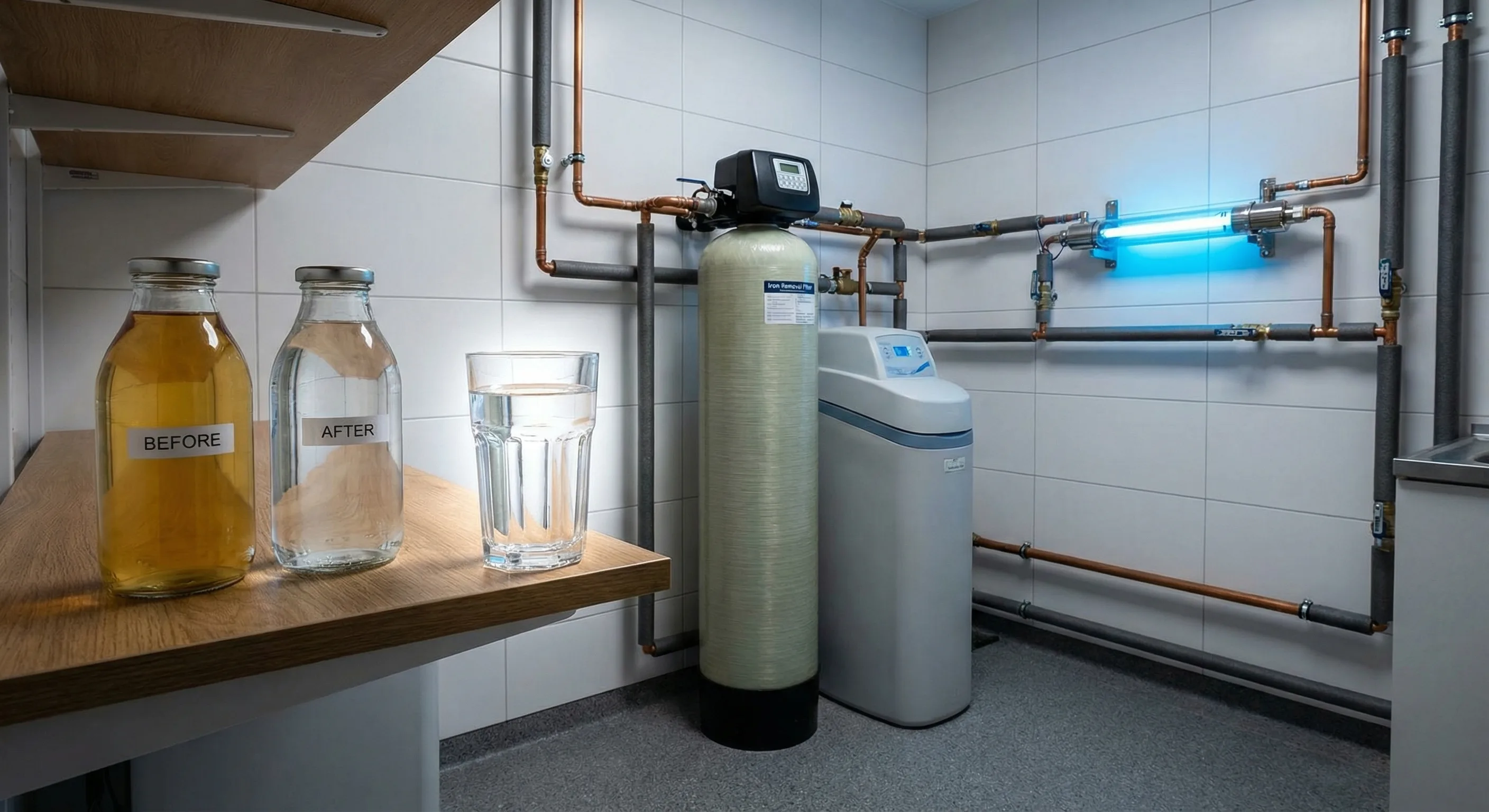
Water Treatment
Safe, great-tasting water tailored to your well chemistry.
Learn More
Emergency Service
No water? No pressure? Call us 24/7 — we respond fast.
Learn MoreNeighborhoods We Serve in The Blue Mountains
Postal codes served: N0H, L9Y
Looking for Well Services in The Blue Mountains?
Whether you need a new well drilled, a pump repaired, or your water tested — we're just a phone call away.
What Our Customers Say
"We built our home near Heathcote and were worried about finding water on our rocky property. Mighton's surveyed the site carefully and drilled a well that hit excellent water at 85 feet. They also installed a treatment system to handle the slight sulphur smell. Couldn't be happier with the result."
Paul and Sandra K.
Heathcote, The Blue Mountains
Frequently Asked Questions About Well Services in The Blue Mountains
Is it difficult to drill a well near the Niagara Escarpment in The Blue Mountains?
Why does my Blue Mountains well water smell like rotten eggs?
How do seasonal properties in The Blue Mountains maintain their well systems?
What well depth is typical in Thornbury and Clarksburg?
Can I get enough water for a large property in Castle Glen or Craigleith?
Does new construction in The Blue Mountains require a well permit?
How does the elevation affect well drilling in The Blue Mountains?
What water treatment do most Blue Mountains homes need?
Serving The Blue Mountains and Surrounding Neighborhoods
We Also Serve Nearby Areas
In addition to The Blue Mountains, our team provides well drilling, pump repair, and water treatment across these neighbouring communities:
Meaford
40 minDowntown Meaford · Bognor · Woodford · Griersville
View ServicesCollingwood
20 minHistoric District · Georgian Bay Waterfront · Peel Street · Maple Street
View ServicesClearview Township
10 minCreemore · Nottawa · Singhampton · Lowell
View ServicesMulmur Township
30 minMansfield · Honeywood · Crombies
View ServicesNeed Well Services in The Blue Mountains?
Contact our experienced team for a free consultation and estimate. Over 60 years of trusted service in Simcoe County.